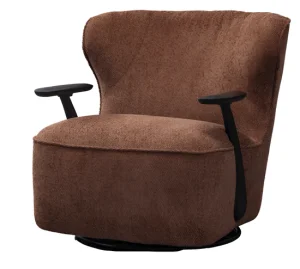
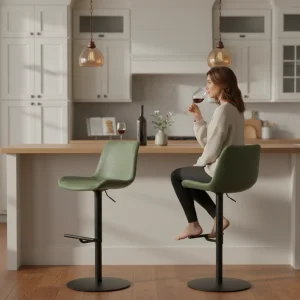
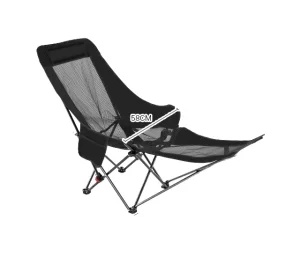
Explore our engineering showcase, highlighting structural integrity, refined upholstery, and premium interior systems customized for international global supply chains.
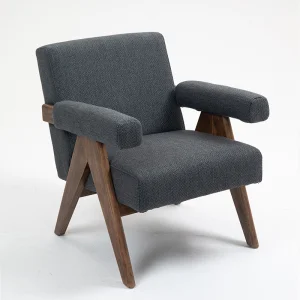
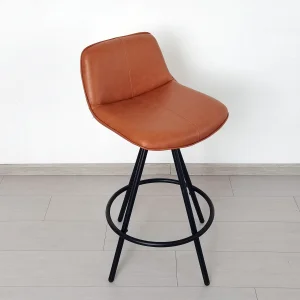
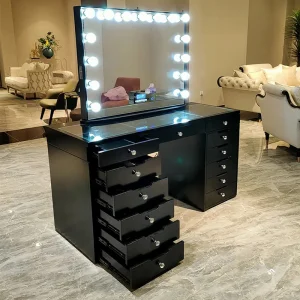
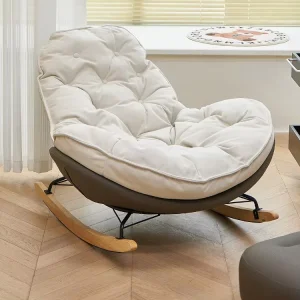
In the contemporary B2B furniture sourcing landscape, the Ottoman has transitioned from a supplementary accent piece to a foundational component of modern residential, commercial, and hospitality layouts. Driving this shift is the demand for flexible, space-efficient, and multi-functional furniture solutions. Langfang Oakes Furniture Co., Ltd., situated in the industrial manufacturing heartland of Langfang, China, stands as a premier supplier leading this evolution.
As global supply chains navigate economic and logistical volatility, understanding the technical and manufacturing capabilities of Chinese ottoman factories is crucial. This whitepaper analyzes the mechanical engineering, material sourcing, design philosophies, and quality assurance processes that define high-caliber manufacturing partners in this sector.
Originally serving as simple footrests, modern ottomans now integrate structural storage, auxiliary seating, and convertible tabletop functions. This dual-purpose requirement demands high-performance mechanisms and superior frame engineering. Factories must adapt to these design trends by utilizing high-rigidity internal wood frames reinforced with structural steel hardware, ensuring units withstand rigorous residential and commercial weight limits.
Furthermore, space optimization in metropolitan apartments has driven the development of nested storage ottomans. Engineering these systems requires precise tolerance controls during panel cutting and assembly to prevent friction wear and frame warping over extended periods of usage.
Global procurement teams prioritize structural longevity, environmental compliance, and standardized aesthetic integration. To qualify as a top-tier global supplier, manufacturers must adhere to international certification frameworks, including:
Langfang Oakes Furniture Co., Ltd. is a professional furniture manufacturer dedicated to designing, developing, and producing high-quality furniture for global wholesale and commercial markets. Located in Langfang, China, we combine years of manufacturing expertise with advanced production technology to deliver reliable products and customized solutions for customers worldwide.
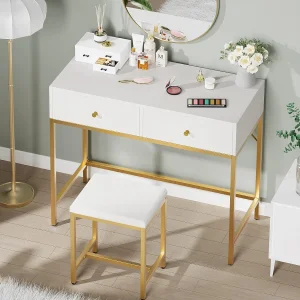
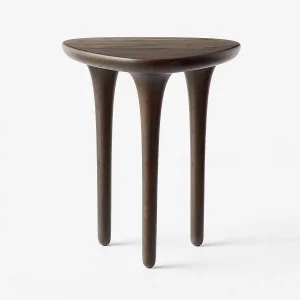
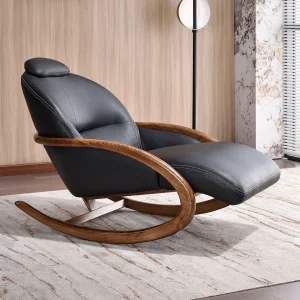
Our catalog spans dining solutions, accent tables, and premium seating structures engineered to satisfy the rigorous performance demands of hospitality, corporate, and high-volume retail sectors.
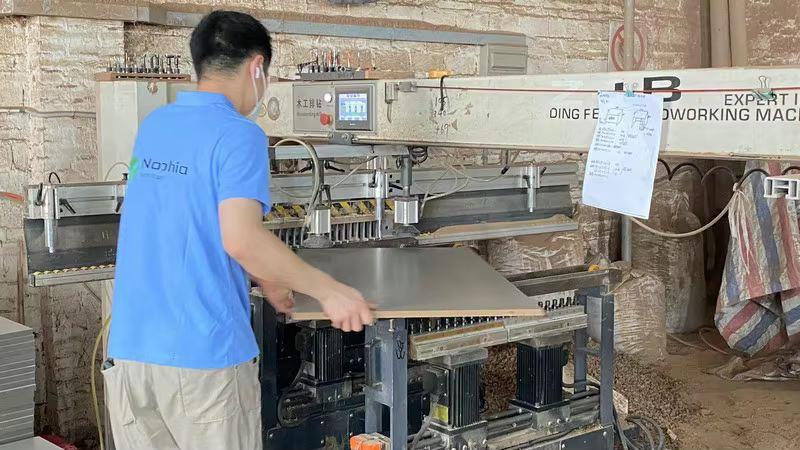
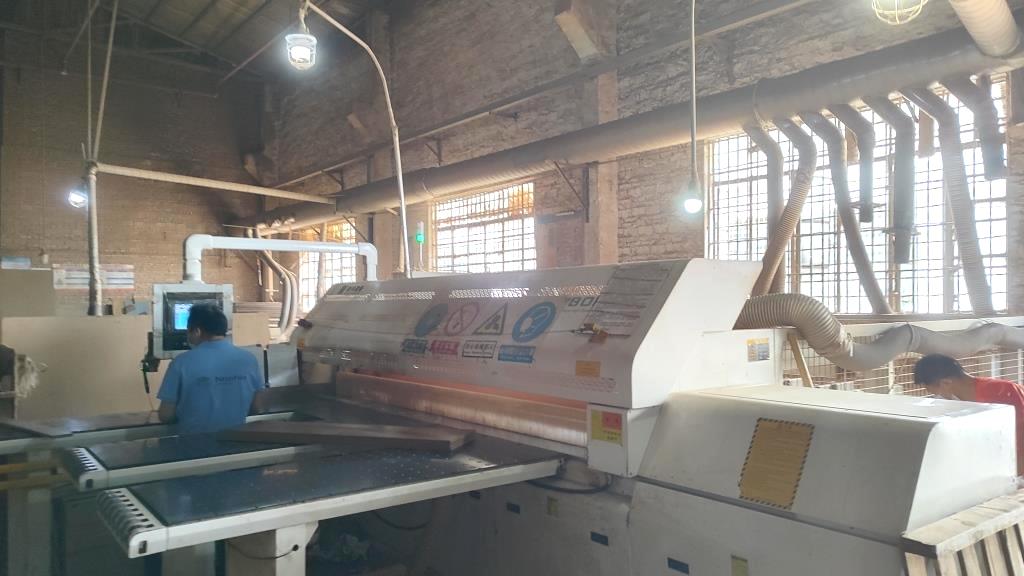
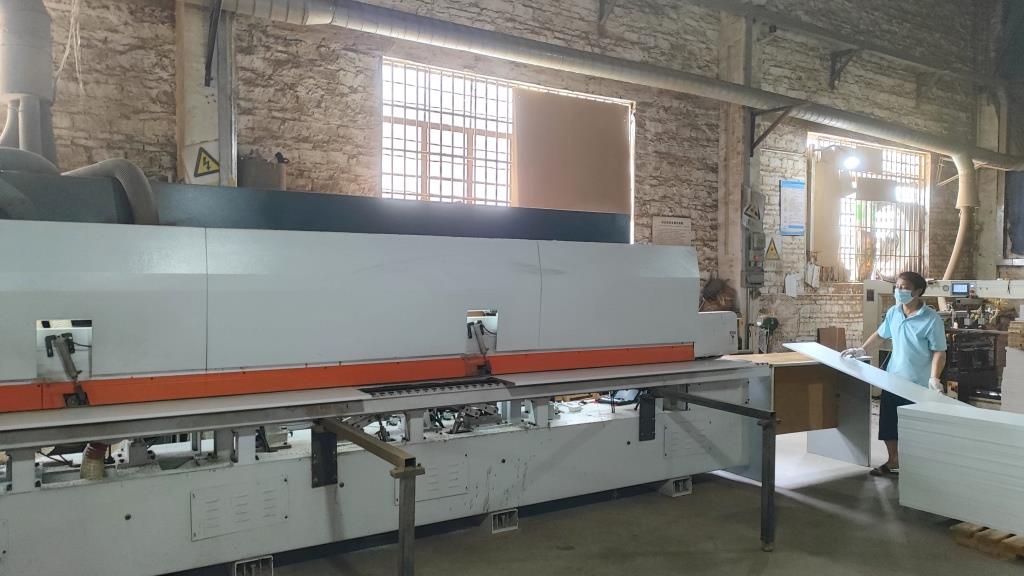
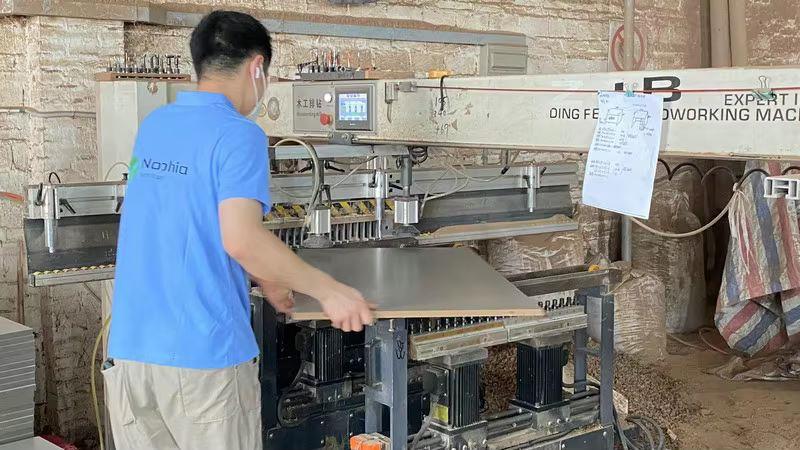
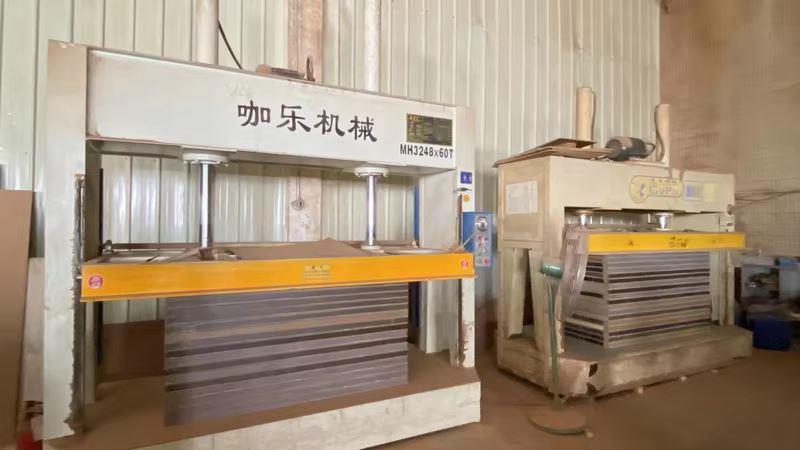
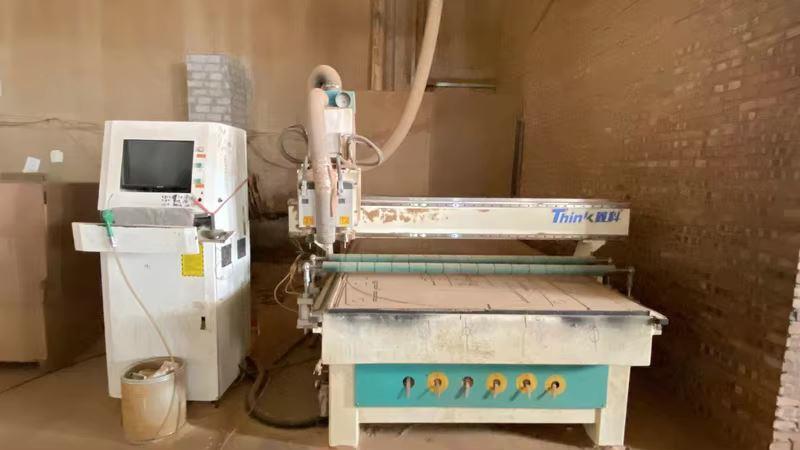
Our facility houses modern automated machinery and high-precision production tools. By leveraging state-of-the-art CNC carving, edge bonding, and automated wood-cutting machines, we eliminate structural discrepancies and guarantee consistent, repeatable product dimensional accuracy.
This technological infrastructure minimizes waste material, optimizes lead times, and allows us to scale production lines during high-demand procurement cycles.
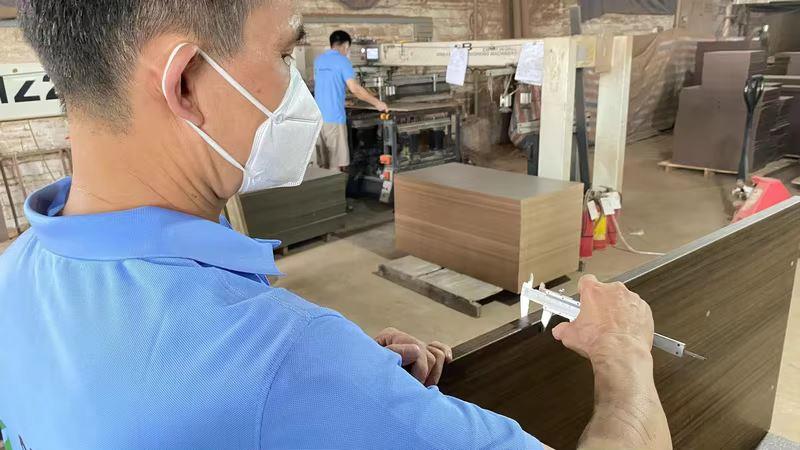
Our dedicated Quality Control (QC) team executes systematic checks from raw timber drying to post-upholstery structural testing. We test moisture content (maintaining a target of 8-12%) to secure wood against cracking and warping in drier destination countries.
Every production batch undergoes a 100% full inspection protocol before container loading, safeguarding our partners from costly port-of-entry failures.
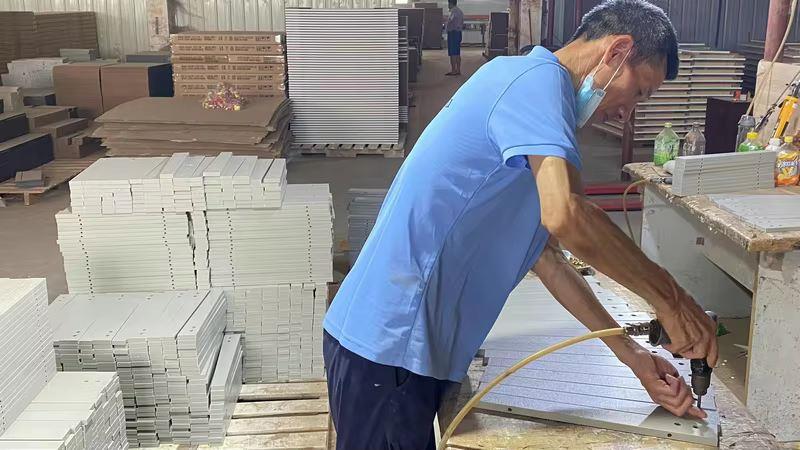
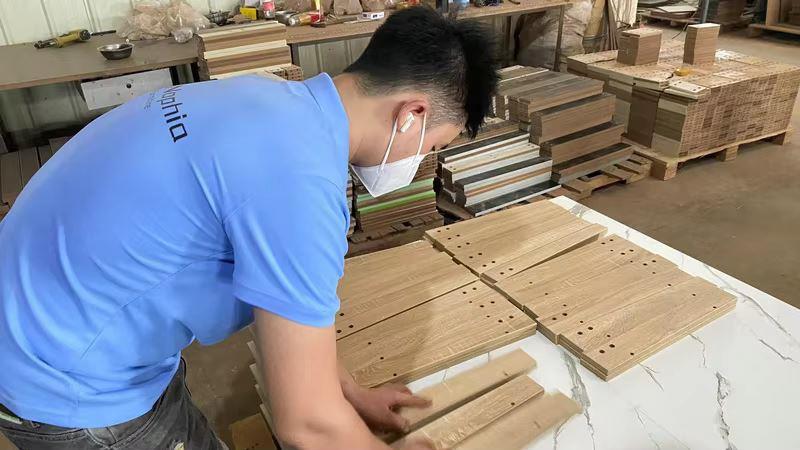
From sourcing FSC-compliant raw logs to multi-axis CNC shaping and assembly lines, explore how our Langfang facility maintains peak manufacturing tolerance thresholds.
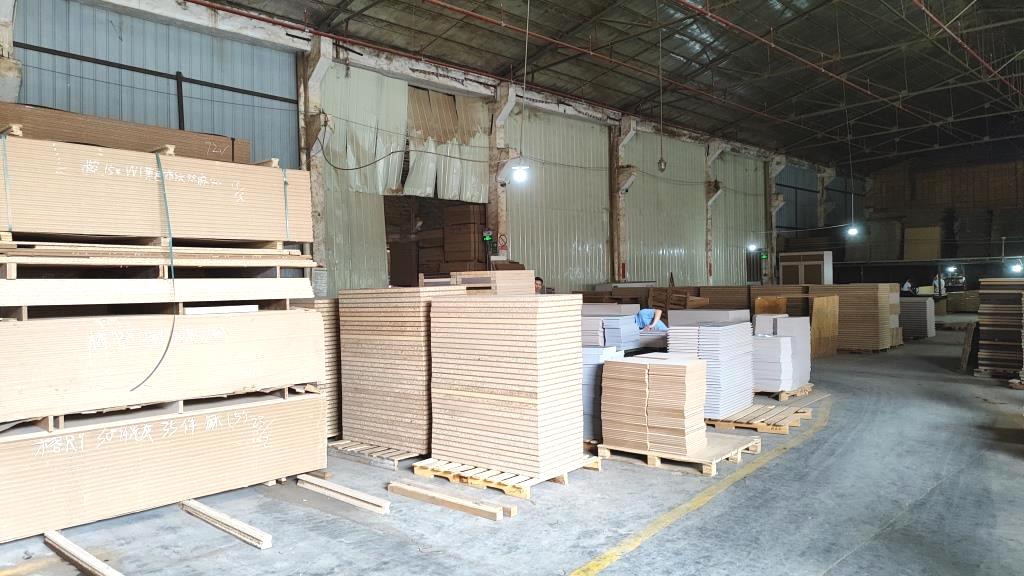
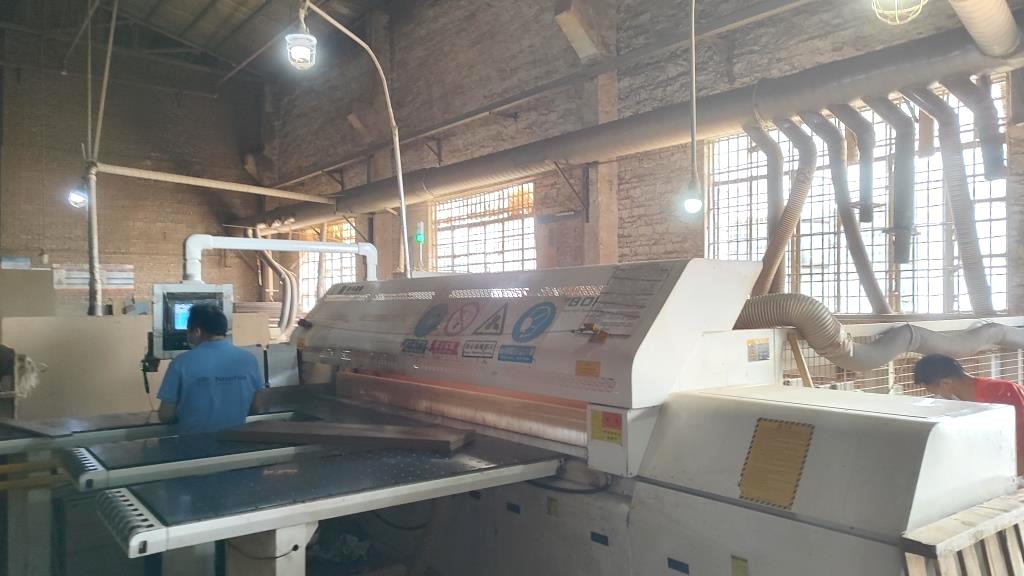
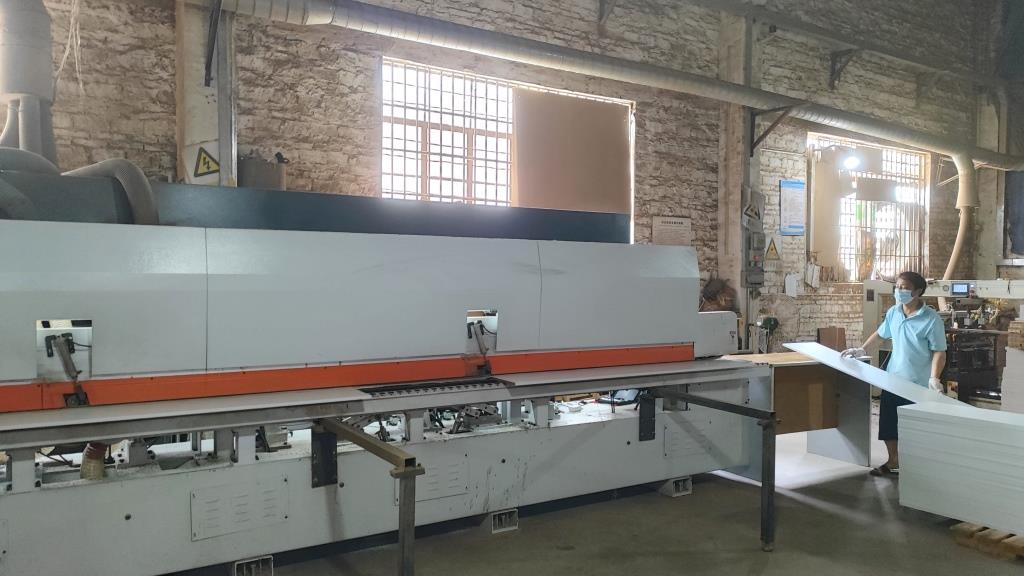
Purchasing managers from mid-to-large-size furniture brands must approach sourcing from a total-cost-of-ownership (TCO) framework. Sourcing from factories in the Langfang and northern China furniture corridors provides distinct cost, logistical, and lead-time advantages. These benefits stem from local raw material ecosystems, specialized labor forces, and well-developed deep-water port infrastructures.
Ottomans are inherently volumetric items that can incur high freight-to-value ratios if shipped fully assembled. Oakes Furniture optimizes product designs at the research and development phase to enable KD structural systems without sacrificing structural load capacity. By utilizing robust steel-to-steel insert nuts and structural hidden brackets, we reduce volume by up to 50%, enabling higher container capacity (CBM) and lower shipping costs per unit.
Upholstery represents a substantial component of Ottoman production costs and performance ratings. We integrate advanced fabric lines characterized by high rub-count durability (Martindale cycles > 40,000 for hospitality usage). Our selection ranges from high-density, stain-resistant polyester blends and performance leathers to eco-friendly options certified by OEKO-TEX Standard 100.
Beneath the fabric, we specify high-resiliency (HR) polyurethane foams (density ratings of 35kg/m³ to 45kg/m³). This guarantees the ottoman maintains its shape under high compression, preventing structural collapsing over years of use.
Our OEM/ODM pipeline offers agile prototyping for custom collections. Using advanced CNC carving tools and 3D modeling programs, we translate simple CAD sketches into physical prototypes within 7 to 10 days. This accelerated workflow enables wholesalers and importers to capture rapid market shifts and present custom designs to commercial clients with minimal delay.
Navigating global compliance standards and custom designs with dedicated production pathways built for diverse commercial sectors.
We supply fire-rated, stain-repellent ottomans designed for heavy-footprint hotel lobbies, waiting rooms, and public lounges. These items undergo rigorous lateral load testing to guarantee stability under dynamic use.
We engineer custom footstools, modular storage systems, and vanity stools tailored to your brand's physical blueprints, incorporating distinct stitch detailing, leg finishes, and custom brand labeling.
From REACH chemical compliance for European markets to Lacey Act documentation for US timber imports, Oakes Furniture provides verifiable certification pathways to reduce risk at customs ports.
As the furniture sector embraces circular economy principles, Langfang Oakes is planning a transition toward biodegradable internal cushioning structures and structural polymers manufactured from ocean-bound plastics. Additionally, our mechanical development pipeline includes modular ottoman platforms that allow end-consumers to easily swap damaged upholstery covers, extending the product lifecycle and reducing landfill waste.
In parallel, our factory floor is integrating advanced nesting algorithms within our CNC wood routing systems to reduce raw timber scrap by an additional 14%. By utilizing smart machinery and automation, we pass these raw-material cost savings directly to our B2B procurement partners, securing competitive pricing advantages in a shifting retail market.
Addressing the critical supply-chain questions of logistics directors, procurement managers, and commercial furniture buyers.
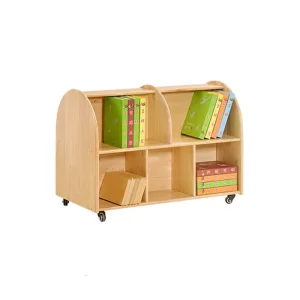
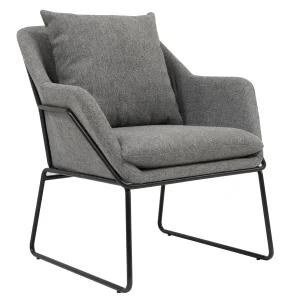
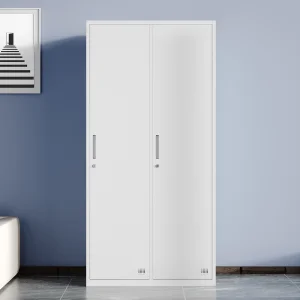
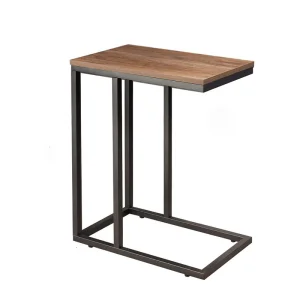
Explore our broader manufacturing capabilities, featuring storage lockers, accent tables, and lounge seating solutions engineered for global compliance.
 Oakes Furniture