Choosing furniture for a family home is less about showroom beauty and more about surviving ordinary life. Crumbs enter seams. Shoes scrape table legs. A tired child may climb where nobody planned. This introduction to “Top 10 Tips for Choosing Durable Furniture for Families” explains how to choose durable furniture for families with practical judgment.
William Morris, the influential British designer and founder of Morris & Co., once said, “Have nothing in your houses that you do not know to be useful, or believe to be beautiful.” His principle still matters. A family sofa should offer both comfort and useful strength. Look for kiln-dried hardwood frames, reinforced joints, dense cushions, stain-resistant upholstery, and finishes that tolerate regular cleaning. Check the underside, not only the polished surface. A wobbling chair reveals more than a glossy product photograph.
Durability also depends on room habits. A pale velvet sofa may fail in a busy playroom, even when its construction is excellent. Performance fabric, rounded corners, replaceable covers, and secure storage can reduce daily damage. Ask about weight limits, repair options, warranty terms, and independently tested materials. Do not trust vague words such as “premium” without evidence.
Some advice will feel imperfect. No furniture lasts forever. Even solid wood can dent, fade, or loosen over time. Families should accept that reality before buying. The best choice balances budget, safety, comfort, maintenance, and expected use. A beautiful dining table is not truly durable if cleaning it becomes exhausting. This guide turns those small observations into ten practical decisions for a stronger, more forgiving home.
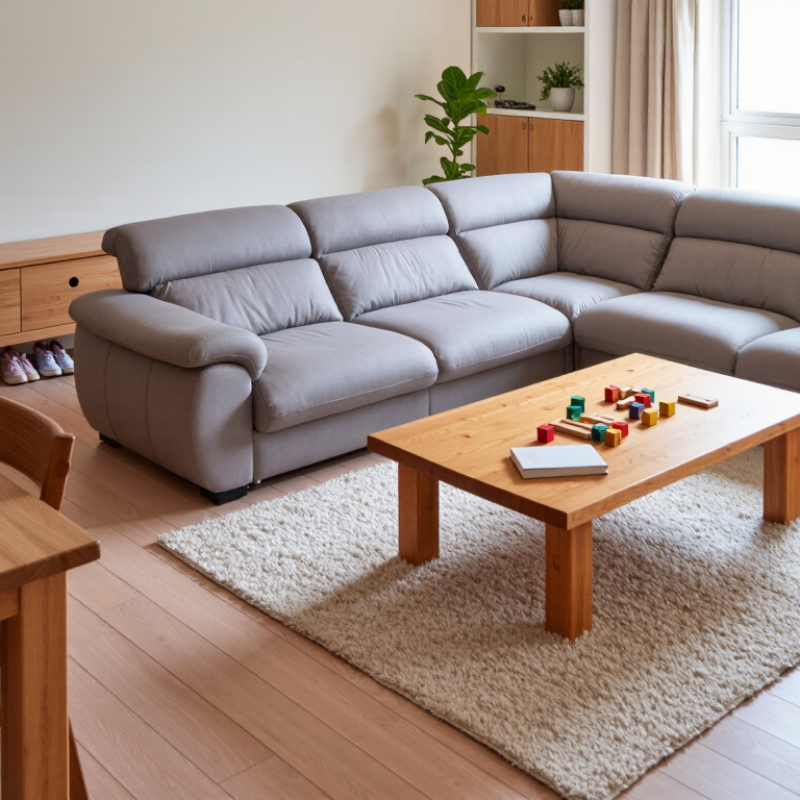
Tip 1: Observe how your family really uses each room. A dining table may become a homework desk, craft station, or storage area. Record these patterns for several days. Do not rely on an ideal routine.
Tip 2: Match furniture to the family’s busiest moments. Families with young children need rounded edges, stable frames, and washable surfaces. Teenagers may need deeper seating and stronger desk construction. Check weight limits, joinery, and warranty terms carefully. I have found that attractive furniture can fail when daily use is underestimated. Measure doorways, stairways, and walking space before ordering. Small mistakes matter.
Tip 3: Separate essential durability from unnecessary features. A solidly supported sofa may serve better than one with complicated mechanisms. Look for reinforced corners, replaceable covers, and materials suited to spills, pets, or frequent cleaning. Ask who will use the item, how often, and under what conditions. Older adults may need firm seats and safe heights, while children need accessible storage. Your first answer may be incomplete. Review it after observing real household behavior for another week. Reliable choices come from evidence, not showroom appearance.
For family furniture, durability begins with materials, not appearance. In home inspections, I look beneath finishes for solid wood, quality plywood, and tightly bonded edges. Hardwood resists dents, but well-made plywood can remain stable when humidity changes. Particleboard may suit light use, yet swollen edges often reveal moisture damage. Materials matter. Ask how panels are sealed, especially near sinks, floors, and children’s spills.
Joinery shows how a piece will age. Dovetail drawers, mortise-and-tenon joints, and reinforced dowels usually handle repeated movement well. A few visible screws are not automatically a problem; loose joints are. Shake the chair gently and listen for clicks, creaks, or shifting corners. Drawers should glide without racking, while doors should close evenly. Staples alone deserve caution in load-bearing areas. I once trusted a heavy-looking table that wobbled after one week. Weight can mislead.
Structural strength deserves a practical test. Check leg thickness, corner blocks, center supports, and the underside of tables. For shelving, review the stated load limit and look for a rigid back panel. For beds and sofas, sit near the edges and test for flexing. Families need stable furniture, not merely thick furniture. Secure tall pieces against the wall where appropriate. Ask about repairable parts and replacement hardware. Looks can mislead. I may be overly cautious, but small movement often becomes expensive damage.
Choosing durable furniture starts with preventing avoidable injuries. The U.S. Consumer Product Safety Commission reported thousands of emergency-room injuries from furniture tip-overs each year. Children face particular risks because they climb, pull drawers, and treat shelves like ladders. Stability matters more than appearance.
Test each cabinet before buying. Push gently near the upper edge. It should not rock, slide, or lift. Look for a wide base, strong joints, smooth drawer movement, and an included anchoring device. The ASTM F2057 safety standard addresses clothing storage units, including stability and tip-over resistance. However, compliance should not replace careful installation. A loose wall anchor can fail. I have seen attractive, heavy cabinets shift when one drawer remains open.
Check for rounded corners, concealed hinges, and drawers that stop before pulling fully out. Avoid small detachable parts around toddlers. Glass panels need secure framing and should not sit at head height. The CPSC advises anchoring furniture and televisions to the wall, even when the unit feels stable. Use the correct fastener for the wall material, then test the connection again after moving furniture. Children grow quickly, so yesterday’s safe arrangement may become tomorrow’s climbing challenge. Inspections should be routine. Not perfect, but necessary.
Durable family furniture should feel comfortable after an hour, not only during a quick showroom test. Sit in several positions and check whether the seat supports your lower back. Sofas with moderate firmness usually suit mixed preferences better than very soft cushions. Test the edge, arm height, and walking space around the piece. Children may climb, stretch, or spill drinks, so comfort must include safe, practical movement. Tip: Bring a family member with a different body shape. One test can mislead.
Maintenance affects daily satisfaction more than shoppers expect. Choose tightly woven upholstery, smooth finishes, and covers that can be removed for washing. Inspect the care instructions before buying, especially for light-colored fabric or natural materials. A table should tolerate warm plates and frequent wiping without showing every mark. Avoid designs with deep grooves that collect crumbs. Keep cleaning simple. I once chose a beautiful textured chair that required careful brushing, and it quickly became annoying. That mistake changed how I compare appearance with upkeep.
Repair requirements reveal whether furniture is built for long use. Look for replaceable cushion inserts, accessible screws, sturdy hinges, and legs that can be tightened. Ask how common damage is repaired and whether essential parts remain available. A small tear should not make an entire sofa useless. Examine the underside, joints, and back panels when possible. Strong construction still needs care. Families often overlook this point. Tip: Ask for written repair guidance before purchase, then store it with the household documents.
Warranty coverage deserves close attention, not a quick glance. Check whether it covers the frame, joints, springs, fabric, and moving parts. A ten-year frame warranty may sound impressive, but fabric damage could be excluded after one year. Read the claim process, required proof, repair options, and labor conditions. Keep the receipt and product information. Small details matter.
Tip: Test the furniture as your family will use it. Sit on every seat, open drawers, and inspect the underside. Solid joints, reinforced corners, and replaceable hardware often suggest better durability. Ask about expected lifespan under daily use. A sofa used by children and pets needs tougher fabric than one placed in a quiet guest room. I once focused too much on appearance and ignored a weak drawer runner. That mistake became expensive.
Overall value means more than the lowest price. Compare the purchase cost with realistic lifespan, maintenance, comfort, and repairability. A durable chair lasting twelve years may cost less per year than a cheaper chair replaced repeatedly. Look for washable covers, stain-resistant materials, and parts that can be repaired. Still, no furniture lasts forever. Even strong materials may fail when overloaded or exposed to constant moisture. Assess the room, the users, and the warranty together before paying.
Solid wood and quality plywood usually provide dependable strength and stability. Well-sealed edges matter near sinks, floors, and children’s spills. Particleboard may suit light use, but swollen edges suggest moisture damage. Materials matter.
Look for dovetail drawers, mortise-and-tenon joints, and reinforced dowels. These connections usually tolerate repeated movement. Visible screws are not automatically bad. Loose joints are the real warning.
Inspect leg thickness, corner blocks, center supports, and the underside. Shake a chair gently and listen for clicks or shifting corners. Sit near sofa and bed edges to test flexing. Weight can mislead.
Review the stated load limit and inspect the back panel. A rigid back helps prevent movement. Tall furniture should be secured to the wall where appropriate. Small movement can become expensive damage.
Sit for about an hour, not just during a quick showroom visit. Try several positions and check lower-back support. Test the seat edge, arm height, and walking space. One test can mislead.
Choose tightly woven upholstery, smooth finishes, and removable washable covers. Check care instructions before buying, especially for light-colored fabric. Avoid deep grooves that collect crumbs. Keep cleaning simple.
Replaceable cushions, accessible screws, sturdy hinges, and tighten-able legs can extend useful life. Ask whether essential hardware remains available. A small tear should not ruin an entire sofa. I may be overly cautious.
Ask how panels are sealed and how common damage is repaired. Request written repair guidance and store it with household documents. Inspect joints, back panels, and undersides when possible. Appearance can mislead.
Choosing durable furniture for a family begins with understanding how each piece will be used. Consider the number of household members, children’s ages, daily routines, available space, and whether the furniture must withstand frequent meals, play, studying, or entertaining. When learning how to choose durable furniture for families, examine materials, joints, frames, and weight capacity rather than focusing only on appearance. Solid construction, reinforced connections, and wear-resistant surfaces can improve long-term performance.
Safety and comfort are equally important. Select stable designs with secure edges, dependable support, and child-friendly features that reduce avoidable risks. Compare cushioning, cleaning needs, stain resistance, and the availability of replacement parts or simple repairs. Finally, review the warranty, expected lifespan, and total cost over time. A slightly higher initial price may offer better value if the furniture remains comfortable, safe, attractive, and functional through years of changing family needs.

Oakes Furniture