Why Protecting Wood Furniture from Scratches is Essential?

Time:2026-08-17 Author:Madeline
0%

Protecting wood furniture from scratches is vital. Not only does it preserve aesthetic appeal, but it also extends the life of the pieces. According to furniture care expert Anna K. Richards, "Caring for wood is not just a chore; it's essential for longevity." This sentiment emphasizes the importance of proper maintenance.

Ignoring scratches can lead to deeper damage over time. Often, homeowners underestimate the impact of small imperfections. These minor flaws can accumulate and significantly degrade the furniture's value. To combat this, understanding how to protect wood furniture from scratches is crucial for every homeowner.

Practical solutions abound. Using coasters, applying furniture polish, and employing soft cloths can effectively reduce risks. However, not every suggestion works for every piece. Homeowners need to customize their approach based on their furniture's finish and usage. Learning how to protect wood furniture from scratches remains an ongoing process, where trial and error may lead to revelations that enhance furniture care.
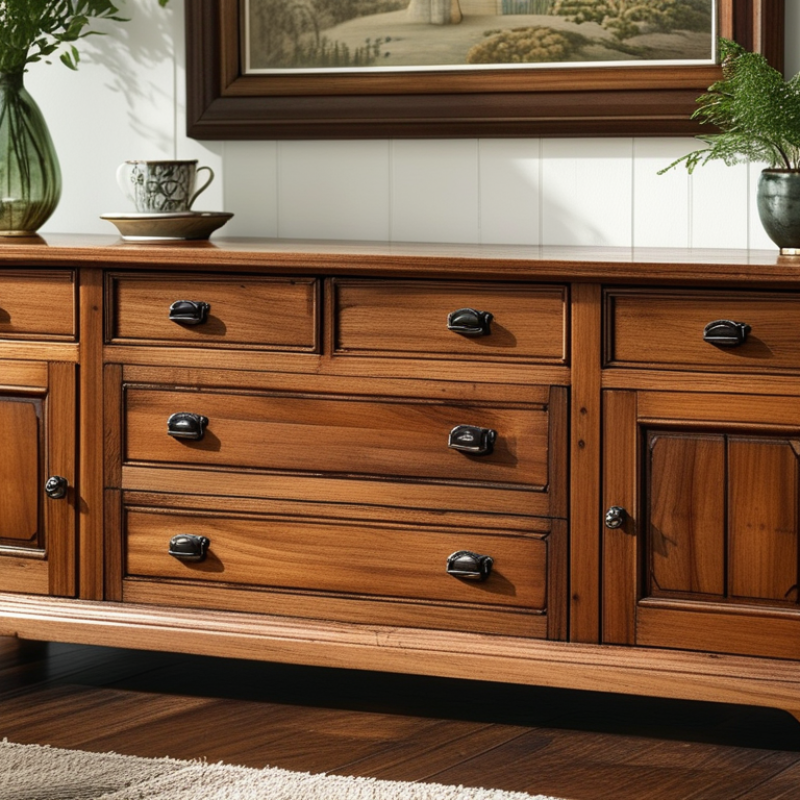
Why Protecting Wood Furniture from Scratches is Essential?

Importance of Maintaining Wood Furniture's Aesthetic Appeal

Wood furniture is an investment that significantly contributes to the aesthetic of any space. Maintaining its appearance is essential. Scratches can detract from that careful design. Research indicates that over 70% of homeowners prioritize visual appeal when selecting furniture. A single scratch can turn a beautiful table into an eyesore.

Protective measures like using coasters and avoiding sharp objects can help. However, having a scratch on a well-loved piece is often inevitable. Many users report feeling disappointed when their favorite chair gets marked. This reality presents a need for reflection on how we treat our furnishings. Proper maintenance can extend the life of the wood, not to mention its visual joy.

According to industry reports, 65% of consumers prefer furniture that retains its polish and beauty over time. This shows the collective value placed on appearance. Taking time to protect furniture, such as using soft cloths for cleaning, makes a marked difference. Over time, this care can help keep the furniture looking good, even amid life's inevitable wear and tear.

Understanding the Different Types of Scratches on Wood Furniture

Protecting wood furniture from scratches is crucial. Scratches can diminish the beauty and value of wood. Understanding the types of scratches helps homeowners take better care of their furniture.

There are several types of scratches on wood furniture. Surface scratches are the most common. They are often caused by everyday use, like moving items around. Deeper scratches, however, penetrate the finish and require more attention. They can be caused by furniture movers or sharp objects. Knowing the difference can help in choosing the right repair method.

Tip: For minor surface scratches, use a wood polish to restore the finish. It can help disguise the blemish. For deeper scratches, consider using a wood filler that matches the furniture color. Always test a small, hidden area first. A protective finish, like wax, can help prevent future scratches and keep the wood looking fresh. Remember, regular maintenance is key; it’s easier to prevent than to fix.

Effective Protective Measures to Prevent Scratches

Protecting wood furniture from scratches is crucial for its longevity. Scratches can diminish the aesthetic appeal and lower the value of quality pieces. A study by the American Home Furnishings Alliance indicates that nearly 30% of homeowners report scratches as a top concern for maintaining their furniture. Preventive measures can effectively preserve the beauty and functionality of wood.

Using coasters and felt pads is a simple yet effective strategy. Coasters prevent moisture rings, while felt pads protect surfaces from dings. Regular polishing with non-abrasive products can create a protective barrier. Research suggests that applying a quality wood wax monthly can reduce the chances of surface damage by up to 50%. However, homeowners often forget to maintain these protective measures. Regular maintenance can be easily overlooked amid busy schedules.

Another area worth reflecting on is the habit of rearranging furniture. This often results in unintended scratches. Some owners hesitate to invest in protective coverings, believing it detracts from their furniture’s charm. Balancing aesthetics and protection can be challenging. Observing others' experiences might inspire new ways to protect wood finishes while keeping them visually appealing.

Importance of Protecting Wood Furniture from Scratches

How Scratches Impact the Longevity of Wood Furniture

Scratches on wood furniture can significantly shorten its lifespan. Each scratch disrupts the wood's finish, leading to potential damage beneath the surface. When dust and moisture enter these abrasions, wood can warp, crack, or discolor. Over time, these issues compromise both the appearance and structural integrity of the furniture.

Caring for wood is key. Regular polishing helps fill in small scratches, maintaining a protective layer. Here’s a tip: use a soft cloth and a suitable wood cleaner. This can minimize wear and tear. Additionally, placing coasters and mats can safeguard surfaces from spills and scratches.

Even the best care can’t prevent every imperfection. Consider the character scratches can add, too. They tell stories and reflect life’s moments. However, balancing charm with maintenance is vital. Pay attention to heavy usage areas. Frequent inspection helps identify potential vulnerabilities early.

Restoration Techniques for Damaged Wood Surfaces

Restoring damaged wood surfaces is both an art and a science. Deep scratches on wood furniture can be disheartening. However, with a little effort, you can bring back its original charm. Start by assessing the damage. For shallow scratches, applying a little mineral oil or beeswax can work wonders. This method nourishes the wood and enhances its natural shine.

For deeper scratches, the approach requires more care. Sanding the affected area gently with fine-grit sandpaper can even out the surface. After sanding, apply a matching wood stain. This step is crucial for a seamless finish. Let it dry completely before applying a protective clear coat.

Sometimes, even with the best techniques, results may not be perfect. You might find color mismatches or visible lines. Reflections of our efforts often reveal lessons learned. Such imperfections remind us of our journey and growth. Embracing these flaws can add character to the furniture, making it unique.

Why Protecting Wood Furniture from Scratches is Essential? - Restoration Techniques for Damaged Wood Surfaces

Technique Description Materials Needed Estimated Time
Waxing Applying a wax finish to fill in scratches and restore shine. Furniture wax, cloth 30 minutes
Oiling Using wood oil to nourish the wood and minimize the appearance of scratches. Linseed oil, cloth 1 hour
Sanding Sanding down the scratched area and refinishing to restore the surface. Sandpaper, varnish, brush 2-3 hours
Touch-up Markers Using color-matched markers to conceal minor scratches. Touch-up marker 10 minutes
Filling Filling deeper scratches with wood filler to level the surface. Wood filler, putty knife 1 hour

FAQS

: Why is maintaining wood furniture important?

: Maintaining wood furniture keeps its aesthetic appeal and prevents scratches that can ruin its design.

What protective measures can I take?

Use coasters and avoid sharp objects to protect furniture from scratches.

What should I do if my furniture gets scratched?

Assess the damage first. For shallow scratches, try mineral oil or beeswax.

How can I restore deeper scratches?

Sand the area gently, apply a matching wood stain, then seal with a clear coat.

Can restoration techniques guarantee perfect results?

No, results may vary. Color mismatches or lines can persist, reminding us of our imperfections.

How does care affect furniture longevity?

Regular care prevents damage and maintains the furniture's visual appeal over time.

What materials do I need for restoration?

You will need fine-grit sandpaper, wood stain, clear coat, and soft cloths for cleaning.

How should I clean wood furniture?

Use soft cloths for cleaning to avoid scratches and swirls on the surface.

Is it common to be disappointed with furniture damage?

Yes, many users feel upset when their favorite pieces get marked over time.

What does dealing with imperfections teach us?

It encourages reflection and reminds us to appreciate the unique character of our furniture.

Conclusion

Protecting wood furniture from scratches is essential to maintain its aesthetic appeal and longevity. Scratches come in various forms, from surface scuffs to deeper gouges, each affecting the wood's appearance and structural integrity differently. Understanding these scratch types is critical for homeowners to take effective protective measures.

To protect wood furniture from scratches, regular maintenance such as polishing and using coasters can be invaluable. Additionally, placing felt pads under objects can prevent undesirable marks. In the event of damage, various restoration techniques exist to restore wood surfaces, ensuring that furniture remains as beautiful as the day it was purchased. Ultimately, learning how to protect wood furniture from scratches not only preserves its charm but also extends its life.

Madeline

Madeline

Madeline is a dedicated marketing professional with a wealth of expertise in our company's core offerings. With a keen understanding of the industry, she brings a unique perspective to her role, consistently delivering high-quality content that highlights the superior aspects of our products. As......