Creating a harmonious dining space involves more than just selecting a table and chairs. Understanding how to match dining chairs with a table can elevate the ambiance of your home. Whether you prefer a traditional, modern, or eclectic style, achieving a perfect balance is essential.
When choosing dining chairs, consider the table’s material and style. A wooden table pairs beautifully with chairs that complement its texture. Metal tables can bring a contemporary feel, and plush chairs can soften the look. Take time to reflect on colors and patterns, as mismatched hues might clash rather than harmonize.
Ask yourself what atmosphere you want to create. A casual feel may allow for more playful chair choices. Conversely, a formal setting benefits from elegant and uniform designs. Remember, finding a match isn't always straightforward. It requires a thoughtful approach, so embrace experimentation for your dining area.
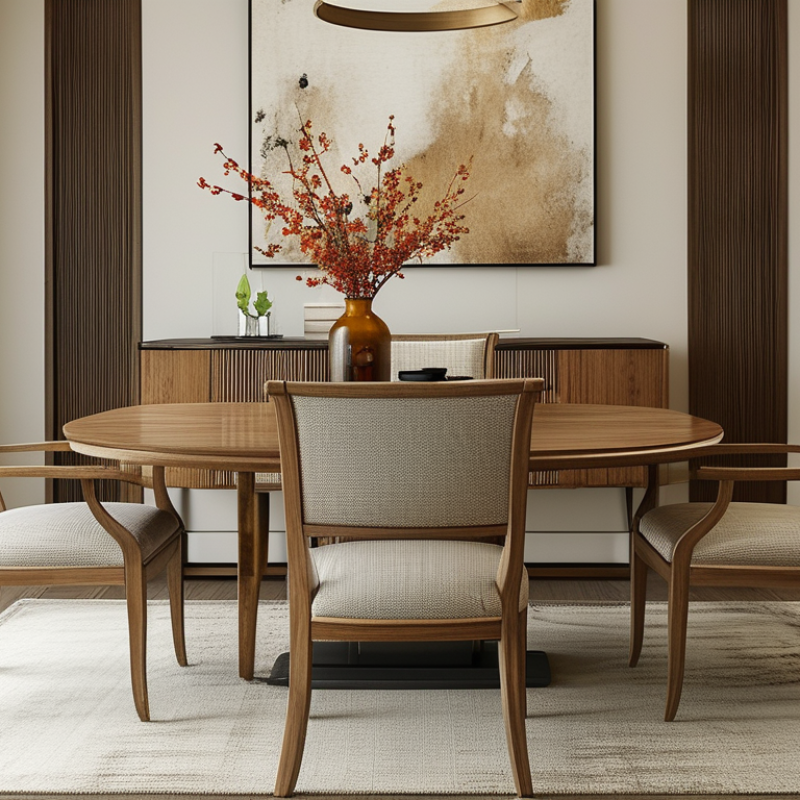
Choosing the right dining table style is crucial for creating a cohesive look in your dining area. Different table styles bring unique characteristics that can influence the overall ambiance. Traditional tables often feature ornate designs with rich woods and warm finishes, promoting a classic, inviting atmosphere. In contrast, modern tables might showcase sleek lines and minimalistic designs, often in lighter colors or metal finishes. They can create a clean and contemporary feel.
Consider the shape of the dining table as well. Round tables encourage conversation and intimacy, suitable for smaller spaces. Rectangular tables provide more surface area, making them ideal for larger gatherings. Each shape interacts differently with the design of chairs. Mixing styles can yield interesting results, but it may also lead to disharmony. A rustic table paired with ultra-modern chairs might feel disjointed.
Pay attention to materials as well. A glass table might look stunning in a minimalistic setting but could clash with heavy, upholstered chairs. Additionally, the height of the table should match the seats for comfort. Dining chairs that are too low or too high can disrupt the flow and usability. Reflect on your choices and consider how they align with your vision for the space.
Choosing the right dining chair height for your table is crucial for comfort and aesthetics. The standard dining table height is usually around 28 to 30 inches. Ideally, there should be around 10 to 12 inches between the seat of the chair and the tabletop. This creates an inviting space for meals and conversation.
Measure your table before selecting chairs. Consider the chair’s seat height. Standard chair heights range from 18 to 20 inches. For counter-height tables, a chair height of 24 to 26 inches works best. If you're unsure, opt for adjustable chairs. They provide flexibility for different table settings and guest preferences.
Be aware that not all chairs fit every style. While sleek chairs may look stylish, they might lack comfort and stability. Test them out before buying. Sit down, and assess the feel. Ask yourself if you can get up easily. Comfort is just as important as design, after all. Ultimately, a balanced approach leads to a harmonious dining experience.
| Dining Chair Style | Chair Height (inches) | Table Height (inches) | Recommended Height Difference (inches) | Note |
|---|---|---|---|---|
| Traditional Wooden Chair | 18 | 28 | 10 | Ideal for formal dining settings |
| Modern Upholstered Chair | 19 | 30 | 11 | Adds a touch of luxury |
| Industrial Metal Chair | 17 | 29 | 12 | Perfect for casual dining |
| Classic Armchair | 20 | 30 | 10 | Great for added comfort |
| Minimalist Dining Chair | 18.5 | 29 | 10.5 | Suits contemporary spaces |
When choosing dining chairs and a table, materials and finishes play a crucial role in achieving harmony. Wood, metal, and upholstery each contribute unique textures that can enhance or detract from your dining experience. A rustic wooden table pairs beautifully with upholstered chairs, creating a warm and inviting atmosphere. However, mismatched finishes can disrupt the balance. For example, a sleek glass table clashes with heavy wooden chairs, causing the setup to feel disjointed.
Tips: Choose materials that complement one another. If your table is solid wood, consider a similar wood tone for the chairs. If you opt for metal legs, seek out chairs with metal accents. This cohesion creates visual flow and enhances comfort.
Different finishes can evoke varied moods. Glossy finishes offer a modern look but may not suit a cozy environment. Matte finishes provide a softer aesthetic that encourages relaxation. Remember to reflect on your overall design intent. It is easy to fixate on one element while overlooking others. Balance in color and texture is key, and it requires careful consideration. Adjustments might be necessary to perfect the ensemble.
When it comes to dining furniture, color coordination is key. The right colors can create a welcoming atmosphere. For a modern look, consider a neutral palette, such as whites and grays. This allows for flexibility with accessories. Pairing a light-colored table with darker chairs can enhance visual interest. However, overmatching can lead to a monotonous feel.
Patterns introduce a dynamic touch to dining spaces. Striped or geometric chairs can add flair to a simple table. Be mindful of scale; bold patterns may overwhelm smaller areas. Mixing materials also works well, like combining wood and metal. Yet, too much variety might cause disharmony. Balance is essential in achieving that perfect look.
When choosing colors and patterns, reflect on your home's style. Consider existing decor elements. A common mistake is to overlook how pieces interact. Look for hues that complement your walls or flooring. This connection contributes to a cohesive design. Each choice should feel intentional, creating a space where you enjoy gathering.
Creating a balanced dining area starts with understanding your space and layout. Think about the table's size and shape. A round table can create intimacy, while a rectangular one often suits larger gatherings. Measure your room to ensure guests can move freely around the table. Ideally, leave at least 36 inches between the table and walls or furniture.
The height of your chairs is crucial as well. Different chair heights can disrupt visual flow. Aim for chairs that complement the table's height. Keep in mind the material and style too. Mixing wood with metal can offer visual interest but can also create a chaotic atmosphere if not chosen wisely. Aim for pieces that feel cohesive.
Lighting plays a role in balance. A striking chandelier above a table can anchor the space but may clash with low-slung furniture. Consider how natural light enters the room. Position your table to take advantage of daylight. Lastly, don’t forget that personal touches matter. Art or décor should enhance the theme, not compete with the dining set.
This chart illustrates the key dimensions to consider for achieving perfect harmony when matching dining chairs with a table. Proper heights and spacing ensure a comfortable dining experience.
: It creates a cohesive look in your dining area and influences the ambiance.
Traditional tables often feature ornate designs, rich woods, and warm finishes, creating a classic atmosphere.
They showcase sleek lines and minimalistic designs, often in lighter colors or metal finishes for a contemporary feel.
Round tables encourage conversation and intimacy, while rectangular tables provide more surface area for larger gatherings.
Mixing styles may yield interesting results but can also lead to disharmony if not thoughtfully considered.
Different materials create unique textures that can enhance or detract from the dining experience.
Glossy finishes offer a modern look, while matte finishes provide a softer aesthetic for a cozy environment.
The height must match for comfort, as mismatched heights can disrupt usability.
Choose materials and finishes that complement one another for visual flow and comfort.
It's easy to focus on one element while overlooking others. Balance in color and texture is key.
In the quest to understand how to match dining chairs with a table for perfect harmony, it is essential to explore various dining table styles and their unique characteristics. Recognizing the appropriate chair height that complements your table is crucial, as it ensures comfort and aesthetics. Furthermore, the materials and finishes used in both chairs and tables significantly influence their visual cohesion, while color coordination and patterns can either enhance or disrupt harmony in your dining space.
Another important aspect is creating balance through thoughtful consideration of space and layout in dining areas. An effectively arranged dining environment promotes not only functional use but also visual appeal, making it essential to integrate all elements seamlessly. By carefully considering these factors, one can achieve a beautifully harmonious dining setting that reflects personal style and enhances the dining experience.

Oakes Furniture