When it comes to how to maintain solid wood furniture, expert James Woodson says, "Proper care prolongs the life and beauty of your furniture." Solid wood pieces can enhance any space, adding warmth and character. However, neglecting their care can lead to deterioration. Keeping furniture clean and well-maintained ensures that it remains an asset in your home.
Many owners underestimate the importance of regular maintenance. For instance, dusting with a soft cloth removes grime without scratching the surface. Additionally, using a suitable wood polish can elevate its appearance and protect it from damage. These small, consistent actions make a significant difference in preserving the furniture's quality.
While it is important to follow guidelines, remember that mistakes can happen. Over-polishing or using the wrong products can harm the finish. Learning from these experiences allows for improving care techniques. Therefore, understanding how to maintain solid wood furniture is essential for enjoying its longevity and beauty in your home.
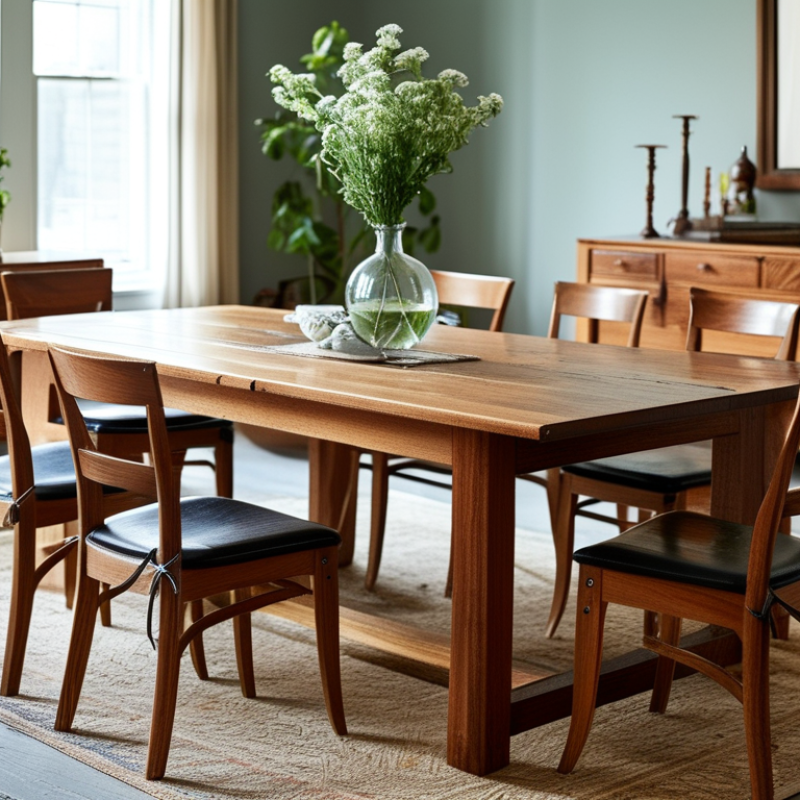
Solid wood furniture possesses unique characteristics that set it apart from other materials. Each piece tells a story through its grain, knots, and colors. According to a 2022 report by the Wood Products Manufacturers Association, solid wood has a lifespan that can exceed 100 years if properly maintained. This impressive durability stems from the natural strength of the wood fibers, making it a preferred choice for both aesthetics and functionality.
However, maintaining solid wood requires awareness of its sensitivity to environmental factors. Humidity and temperature fluctuations can cause wood to expand or contract, leading to cracks or warping if left unaddressed. Regular conditioning, using a suitable wood oil, can help mitigate these issues. A study by the American Hardwood Information Center indicates that consistent upkeep can preserve the original shine and structure of the wood, enhancing its longevity and beauty.
Even with diligent care, every piece of solid wood furniture may develop its own imperfections over time. These marks can tell you about its history and usage. Embracing these signs of wear can add character. However, reflecting on maintenance routines is crucial. An occasional deep clean or inspection can prevent minor issues from becoming major repairs, ensuring that the furniture remains a cherished part of your home for generations.
| Maintenance Task | Frequency | Recommended Products | Tips |
|---|---|---|---|
| Dusting | Weekly | Microfiber cloth | Use a soft cloth to avoid scratches. |
| Polishing | Every 3-6 months | Furniture polish | Choose a polish that suits the wood type. |
| Conditioning | Annually | Mineral oil | Apply with a soft cloth and buff evenly. |
| Sealing | Every 1-2 years | Wood sealant | Ensure the surface is clean and dry before application. |
| Repairs | As needed | Wood glue, touch-up markers | Fix scratches and dents promptly. |
Cleaning solid wood surfaces requires care and attention. Start with a soft, lint-free cloth. This type of cloth prevents scratches and keeps the wood looking pristine. Dust accumulates quickly, so aim to clean surfaces regularly. Wipe gently to avoid damaging the finish. For deeper cleaning, use a slightly damp cloth. Ensure it's not soaking wet; excess water can warp the wood.
Natural cleaners are a great option. A mix of vinegar and water can effectively remove grime. However, always test on a small area first. Some wood finishes may react poorly. Avoid harsh chemicals, as they can strip the protective layers of your furniture. After cleaning, remember to dry the surface thoroughly to maintain its integrity.
Over time, wood can lose its luster. This is normal but can be addressed. Consider using a wood conditioner or polish sparingly. Apply with a soft cloth and follow the wood grain. Remember, applying too much can lead to buildup and dullness. It's crucial to find a balance that preserves the beauty of your furniture while ensuring it remains functional. Frequent reflection on your cleaning routine will help maintain the longevity of your solid wood furniture.
Protecting solid wood furniture from moisture and sunlight damage is essential for its longevity. Wood is a natural material that can warp or crack if exposed to extreme conditions. High humidity levels can cause expansion, while dry air can lead to shrinkage. Sunlight can fade finishes and change the wood's color over time. To prevent these issues, consider using coasters and placemats to guard against spills and heat.
You can also use window treatments to block direct sunlight. Installing shades or curtains can help reduce exposure. Remember to rearrange furniture occasionally to minimize discoloration in areas exposed to light. If you notice any signs of wear, a fresh coat of protective finish may be necessary.
Humidity levels in your home should be monitored. Using a humidifier in dry seasons can help maintain balance. On the other hand, a dehumidifier can reduce moisture in damp environments. Regularly check for signs of swelling or condensation on your furniture. This habit will help you catch problems early. Each proactive step you take helps maintain the beauty of your solid wood pieces.
Maintaining solid wood furniture requires consistent care. Regular cleaning is essential. Dust accumulates daily, leading to dull surfaces. Experts recommend using a soft, damp cloth to preserve the wood's finish and prevent scratches. According to the American Wood Council, proper maintenance can extend the life of wood furniture by up to 30%. This statistic emphasizes the importance of making cleaning a habit.
Humidity levels also play a crucial role. Wood absorbs moisture, leading to warping or cracks. A recent study from the National Institute of Standards and Technology suggests that maintaining indoor humidity between 30% to 50% keeps wood stable. Investing in a humidifier or dehumidifier can be beneficial for your furniture's longevity. Unguarded exposure to direct sunlight can also cause fading. Utilizing curtains or angle shades can mitigate these effects.
Lastly, regular polishing can enhance beauty and protection. A good furniture polish can prevent dust build-up and protect against scratches. However, over-polishing can lead to a sticky residue. Finding the right balance is important. Be aware that wood is a living material, and minor imperfections may develop over time. Embracing these characteristics can add to the furniture’s charm.
This bar chart illustrates the recommended frequency of various maintenance practices for solid wood furniture. Regular dusting should be done four times a month, while oil application and temperature/humidity control should be done twice a month, and polishing once a month to ensure longevity and beauty of your wooden furniture.
Restoring aging or damaged solid wood furniture requires patience and care. Begin by assessing the piece for scratches, dents, and discoloration. Lightly sanding the damaged areas can help remove surface blemishes. Use a fine-grit sandpaper for this; don't rush. Take your time to see how the wood responds. Sometimes, applying a wood conditioner can rejuvenate its original hue.
When it comes to deeper scratches or water marks, consider filling them with a wax pen or wood filler. This can harmonize the surface and provide a smoother finish. After repairs, a protective layer of varnish or wax will enhance durability. Remember to choose products appropriate for wood. Too often, homeowners overlook these details, leading to unsatisfactory results.
Finally, regular maintenance is essential. Dust frequently with a soft cloth. Address spills immediately to prevent stains. Be mindful of exposure to sunlight, as it can fade the finish. Wood furniture should not be placed near radiators or air conditioning vents. While these steps offer guidance, every piece is unique. Embrace the character of your furniture while striving for restoration. The process can be rewarding, even if it doesn’t turn out perfect.
: Solid wood furniture has distinct features like grain and knots. Each piece tells a unique story.
With proper care, solid wood can last over 100 years. This durability comes from strong wood fibers.
Humidity and temperature changes can cause wood to expand or contract. This can lead to cracks or warping.
Regular conditioning with suitable wood oil helps maintain the wood's shine. This enhances its beauty and longevity.
Use a soft, lint-free cloth for cleaning. A slightly damp cloth can help with deeper cleaning.
Yes, a vinegar and water mix can clean grime. Always test on a small area to avoid adverse reactions.
Lightly sand damaged areas and use wood filler for deeper scratches. This provides a smoother finish.
Dust frequently and address spills immediately. Shield your furniture from direct sunlight and extreme temperatures.
Reflecting on maintenance can prevent minor issues from becoming major repairs. This ensures furniture longevity.
Yes, signs of wear add character. Embrace these imperfections, but also strive for regular upkeep.
Maintaining solid wood furniture is essential for preserving its beauty and longevity. To understand how to maintain solid wood furniture, it's important to recognize the unique characteristics of the material, which requires specific care. Start with essential cleaning techniques to ensure that solid wood surfaces remain free from dust and grime without damaging the finish.
Protection from moisture and sunlight is critical; using coasters, placemats, and proper positioning away from direct light can help avoid unnecessary wear. Additionally, regular maintenance practices, such as polishing and applying protective oils, can enhance the lifespan of the furniture. For pieces that show signs of aging or damage, restoration tips can breathe new life into them, ensuring they continue to be cherished for years to come.

Oakes Furniture